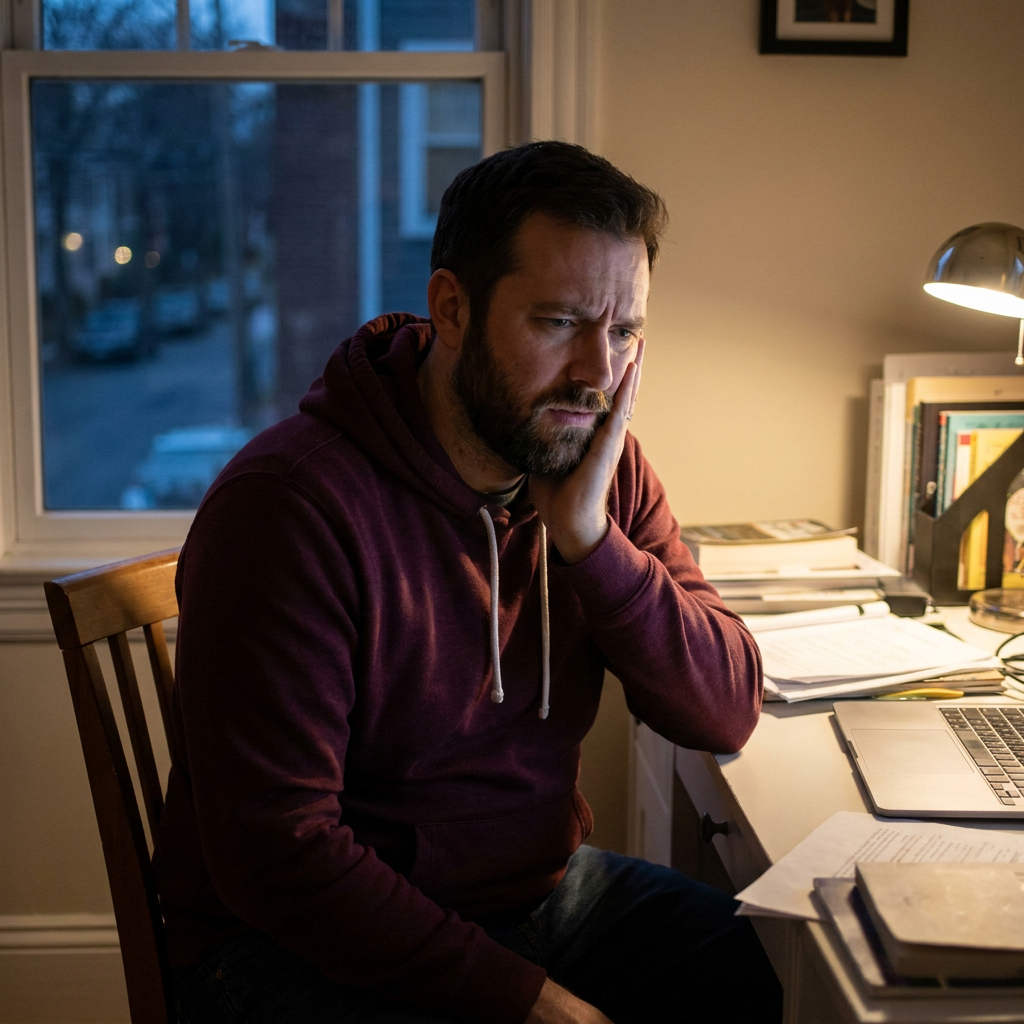
The Morning That Changed Everything
Like so many patients we see at Choi & Lee Family Dentistry in Chino, CA, Sarah discovered that sometimes it’s the little everyday habits—the ones we hardly notice—that slowly wear down a smile.

Learn the five everyday habits that may be harming your teeth and how to stop them.
Like so many patients we see at Choi & Lee Family Dentistry in Chino, CA, Sarah discovered that sometimes it’s the little everyday habits—the ones we hardly notice—that slowly wear down a smile.

If you’ve caught yourself doing any of these habits, don’t wait for pain to tell you something’s wrong. Book your preventive cleaning today with Choi & Lee Family Dentistry in Chino, CA. Call us today!
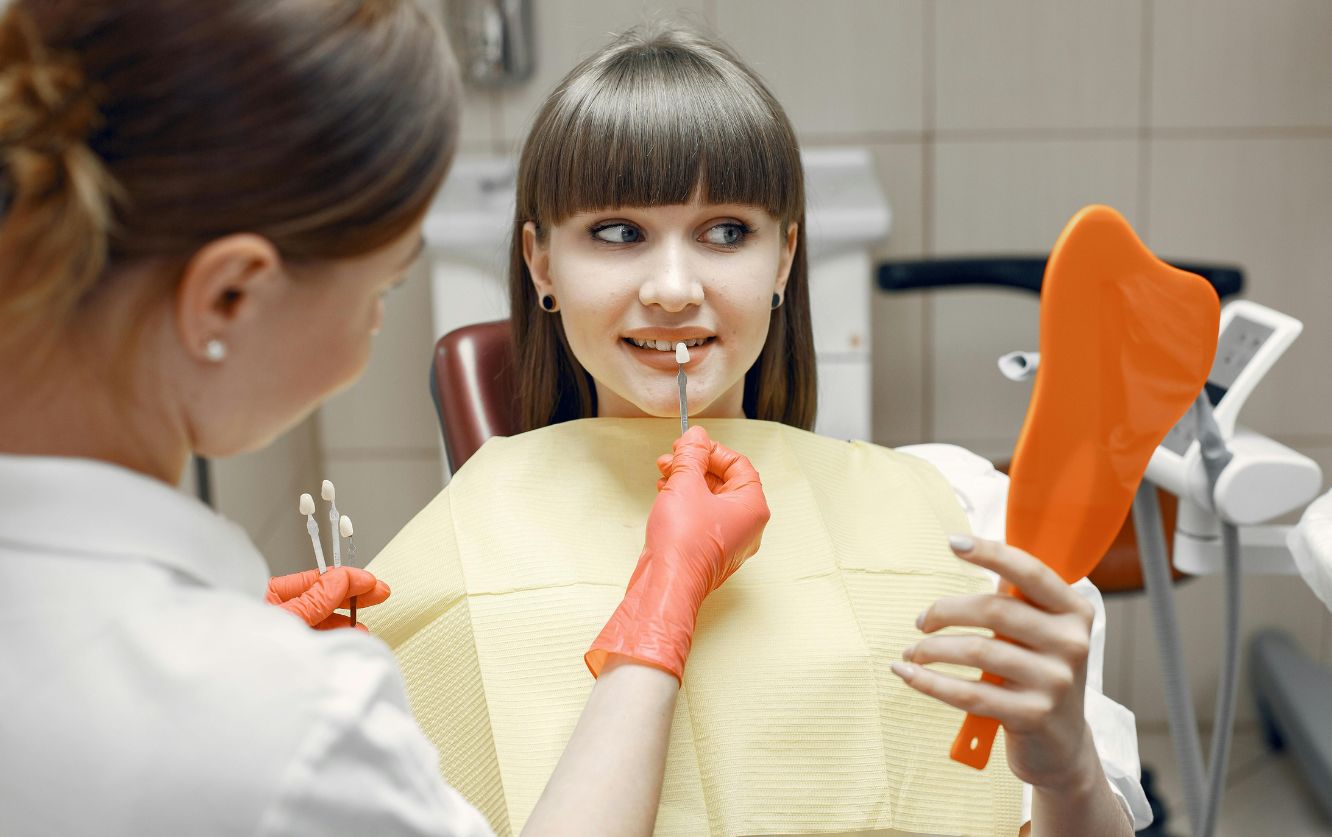
When Sarah finally visited us at Choi & Lee Family Dentistry in Chino, CA, she was worried her smile was beyond saving. But with a gentle cleaning, a small filling, and some habit changes, she was back on track.
Breaking habits isn’t always easy, but you don’t have to do it alone. That’s what we’re here for at Choi & Lee Family Dentistry in Chino, CA—guiding you with compassion, prevention, and personalized care that makes protecting your smile feel achievable.
1. If I brush right after drinking coffee, does that protect my teeth?
Not exactly. Brushing immediately after acidic drinks can actually scrub softened enamel. Wait 30 minutes, then brush.
2. Is chewing ice really that bad?
Yes—chewing ice can cause micro-cracks and even break fillings or crowns. It's like crunching rocks with porcelain plates.
3. Can sugar-free drinks still harm my teeth?
They can. Many sugar-free sodas and sports drinks are still acidic, which weakens enamel over time. Even “healthy” kombucha can be highly acidic.
4. What if I only miss a dental checkup once in a while?
Skipping even one can let tartar build up, which increases your risk of gum disease and cavities. Prevention is always easier (and less expensive) than repair.
5. Does gum chewing help or hurt my teeth?
It depends. Sugar-free gum can help stimulate saliva and neutralize acids. Sugary gum, on the other hand, feeds bacteria.
6. How do I know if I'm grinding my teeth at night?
Some people wake with jaw soreness or headaches, but often it's your dentist who notices flattened edges or wear patterns on your teeth. A custom nightguard can protect your smile while you sleep.
Real experiences from our valued patients

Maria R.
PREVENTIVE CARE
James C.
DENTAL SEALANTS
Sarah T.
FAMILY DENTISTRY
Stay informed with expert dental tips and the latest oral health news
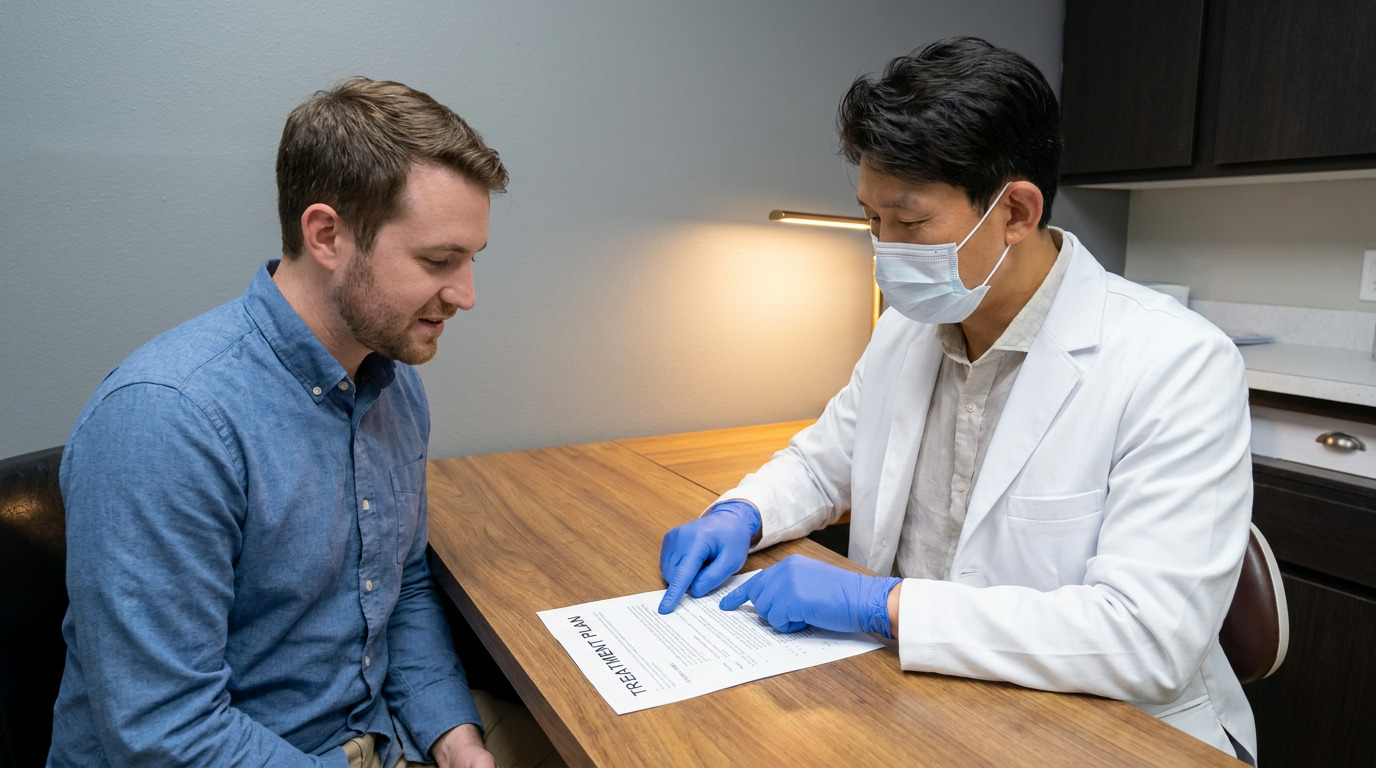
Preparing for your first dental appointment ensures a smooth experience and helps Dr. Kyung Choi provide comprehensive, personalized care.

Dental implants provide a durable, natural-looking solution for missing teeth, restoring function and confidence by integrating with the jawbone.
Dental crowns offer crucial protection and restoration for teeth with large cavities, cracks, post-root canal brittleness, severe wear, or significant cosmetic concerns.
Join thousands of Chino families who trust us with their smiles. We're here to make dental care easy, comfortable, and accessible for everyone.
Same-day emergency appointments
Flexible financing options available
Most insurance plans accepted
Complimentary new patient consultation

We’ve received your request and will contact you soon to confirm the details. We look forward to seeing you at Choi & Lee Family Dentistry.
Something interrupted the process, possibly a slow connection or a temporary glitch. Try again in a moment. If your info disappeared, we're really sorry and ready to help if you need it.
Speak with our team
Send us an email
12530 Tenth St. Suite B Chino, CA 91710
Get directions
We offer same-day emergency appointments. Call us immediately at (909) 627-7514