When Maria’s Toothache Wouldn’t Go Away
At Choi & Lee Family Dentistry in Chino, CA, we often meet patients like Maria who aren’t sure when a toothache crosses the line from annoying to urgent.

Don’t ignore tooth pain—spot the warning signs and protect your smile.
At Choi & Lee Family Dentistry in Chino, CA, we often meet patients like Maria who aren’t sure when a toothache crosses the line from annoying to urgent.

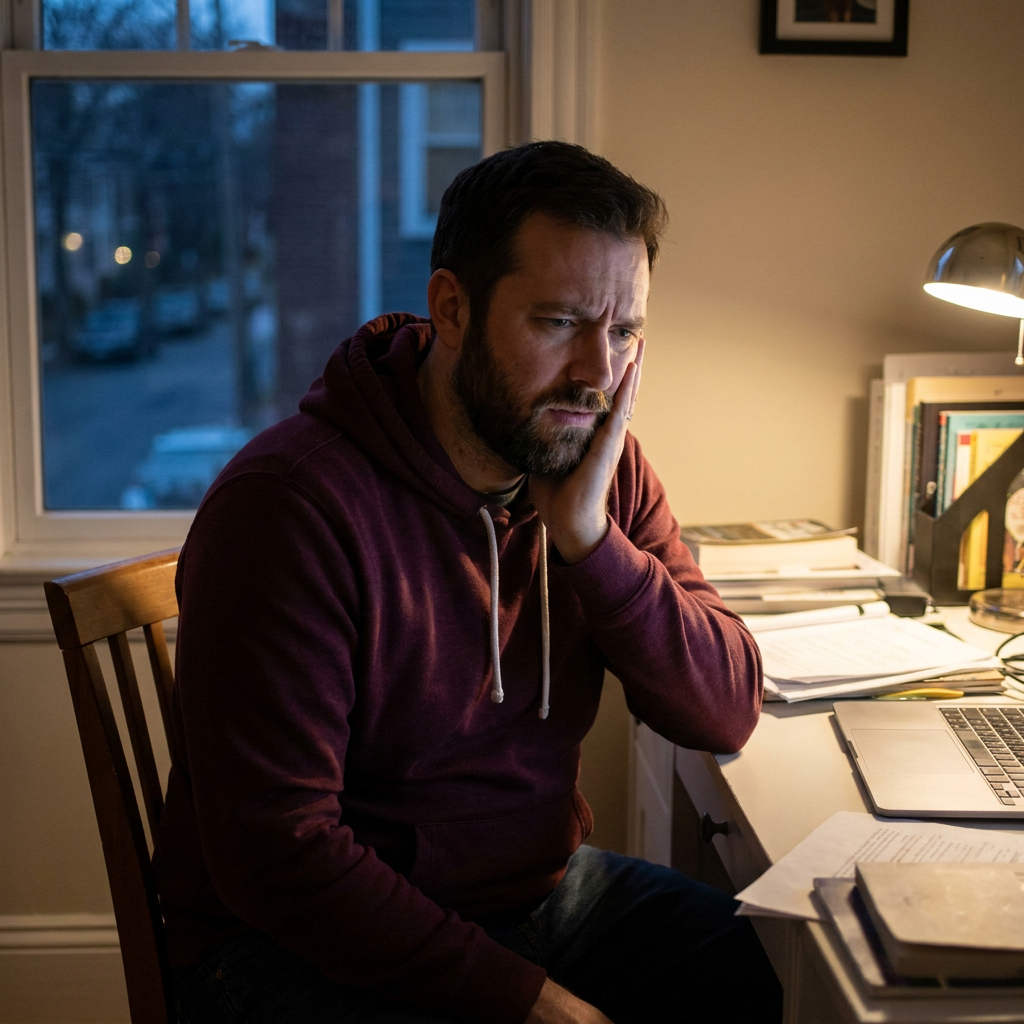
By the time Maria came to Choi & Lee Family Dentistry in Chino, CA, her toothache had all the warning signs: persistent pain, swelling, and nighttime throbbing.
At Choi & Lee Family Dentistry in Chino, CA, our focus isn’t just fixing the problem—it’s helping you understand what’s happening, easing your anxiety, and guiding you back to health. Because every patient deserves to smile without wincing.
Don’t let tooth pain control your day—or your nights. Call (909) 627-7514 or book your appointment online with Choi & Lee Family Dentistry in Chino, CA in Chino, CA. We’ll help you find relief and protect your smile for the future.
If you’re experiencing any of these toothache warning signs, don’t wait. Call Choi & Lee Family Dentistry in Chino, CA at (909) 627-7514 or schedule your appointment online. Relief is closer than you think.

3. How much does it cost to fix a toothache? Costs vary depending on the cause. Small cavities may only need fillings, while deeper infections could require crowns. Choi & Lee Family Dentistry in Chino, CA accepts most PPO plans and CareCredit to help make treatment affordable.
Real experiences from our valued patients

Maria R.
PREVENTIVE CARE
James C.
DENTAL SEALANTS
Sarah T.
FAMILY DENTISTRY
Stay informed with expert dental tips and the latest oral health news
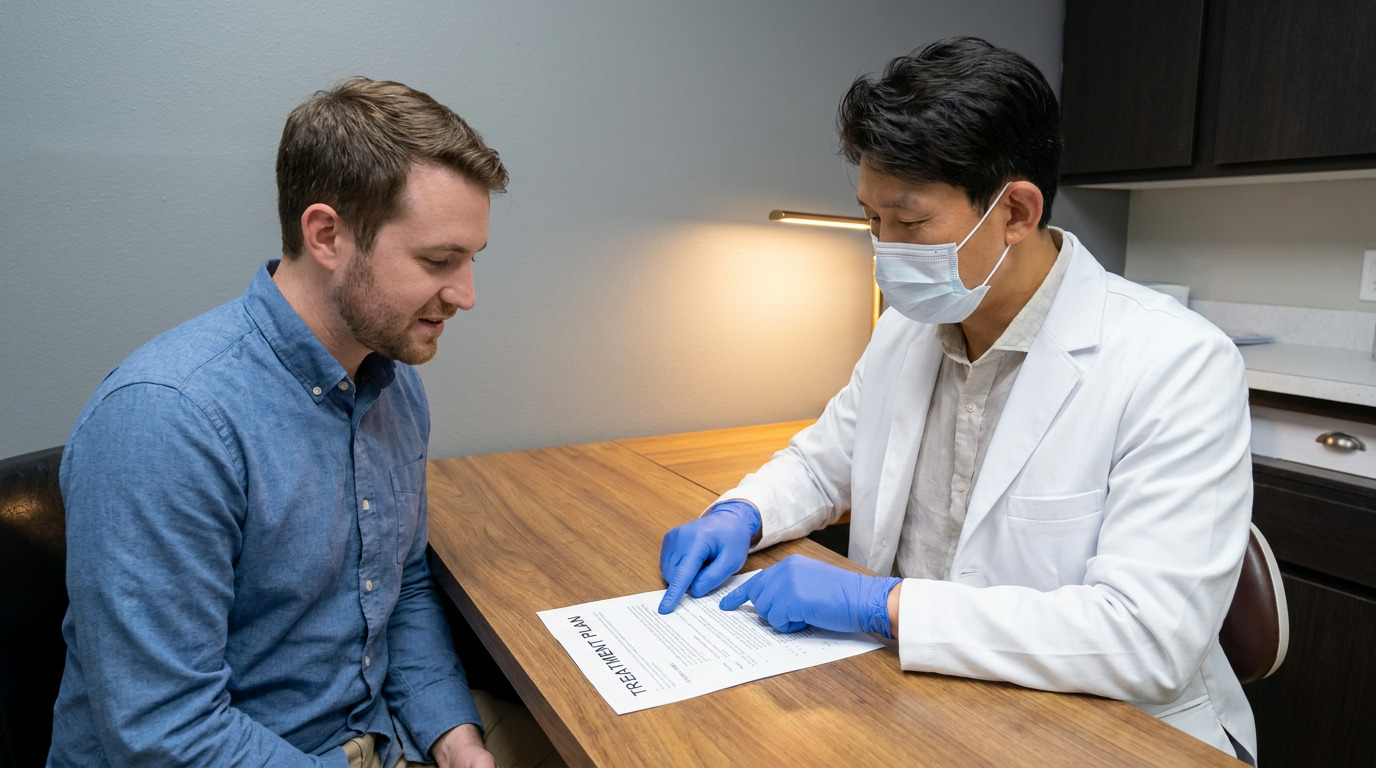
Preparing for your first dental appointment ensures a smooth experience and helps Dr. Kyung Choi provide comprehensive, personalized care.

Dental implants provide a durable, natural-looking solution for missing teeth, restoring function and confidence by integrating with the jawbone.
Dental crowns offer crucial protection and restoration for teeth with large cavities, cracks, post-root canal brittleness, severe wear, or significant cosmetic concerns.
Join thousands of Chino families who trust us with their smiles. We're here to make dental care easy, comfortable, and accessible for everyone.
Same-day emergency appointments
Flexible financing options available
Most insurance plans accepted
Complimentary new patient consultation

We’ve received your request and will contact you soon to confirm the details. We look forward to seeing you at Choi & Lee Family Dentistry.
Something interrupted the process, possibly a slow connection or a temporary glitch. Try again in a moment. If your info disappeared, we're really sorry and ready to help if you need it.
Speak with our team
Send us an email
12530 Tenth St. Suite B Chino, CA 91710
Get directions
We offer same-day emergency appointments. Call us immediately at (909) 627-7514