1. Does getting a dental crown hurt?
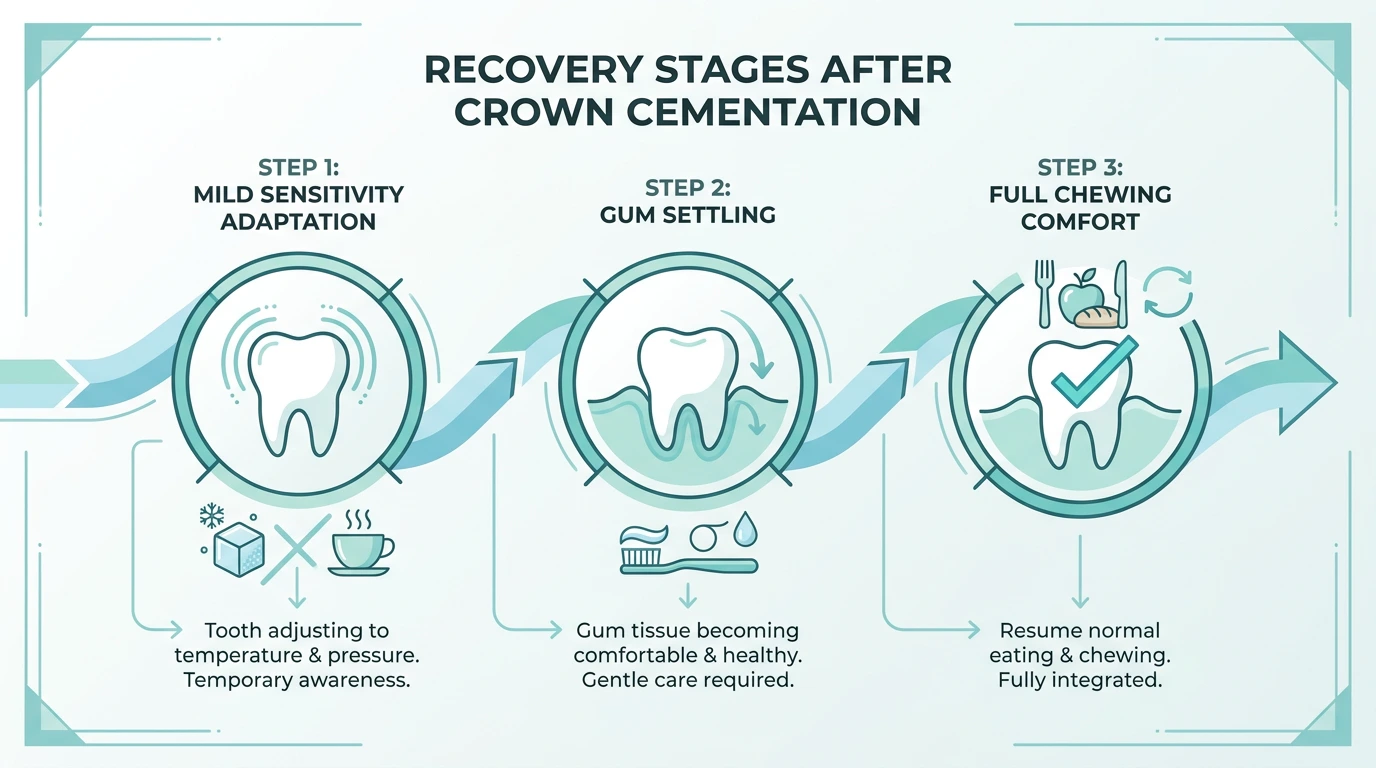
The procedure is designed for comfort, as your dentist administers local anesthetic to numb the area before reshaping the tooth. Afterward, mild soreness or temperature sensitivity may occur for a few days, which over-the-counter pain medications generally manage well.
2. How long does the crown procedure take?
The first appointment, for tooth preparation and impressions, is usually the longer of the two. The second appointment focuses on fitting and cementing your permanent restoration. Your dentist can give you a time estimate for each visit.
3. Can a crowned tooth get a cavity?
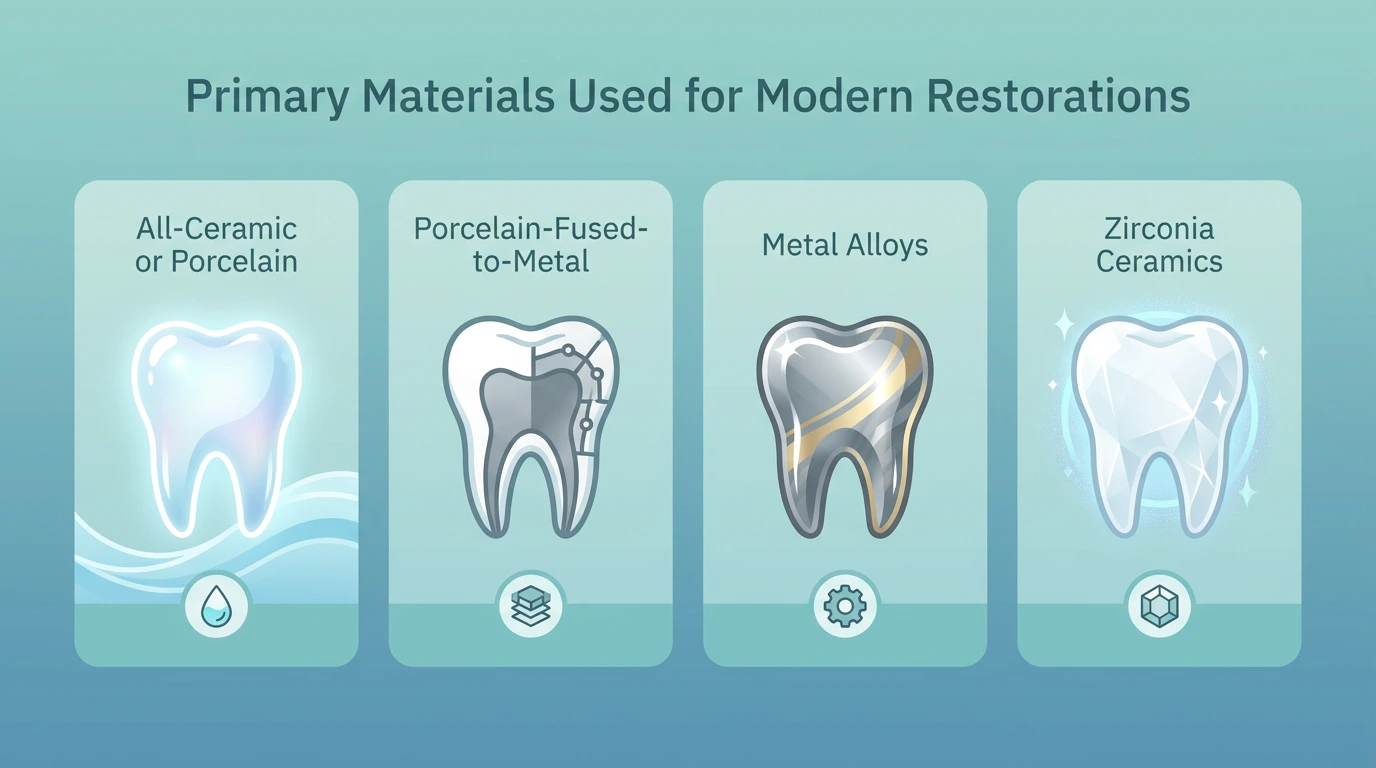
The porcelain or metal restoration cannot decay, but the natural tooth beneath it can still develop cavities along the margin near the gumline. Diligent brushing, flossing, and routine dental cleanings help prevent recurrent decay around the base of the cap.
4. What should I do if my crown feels high?
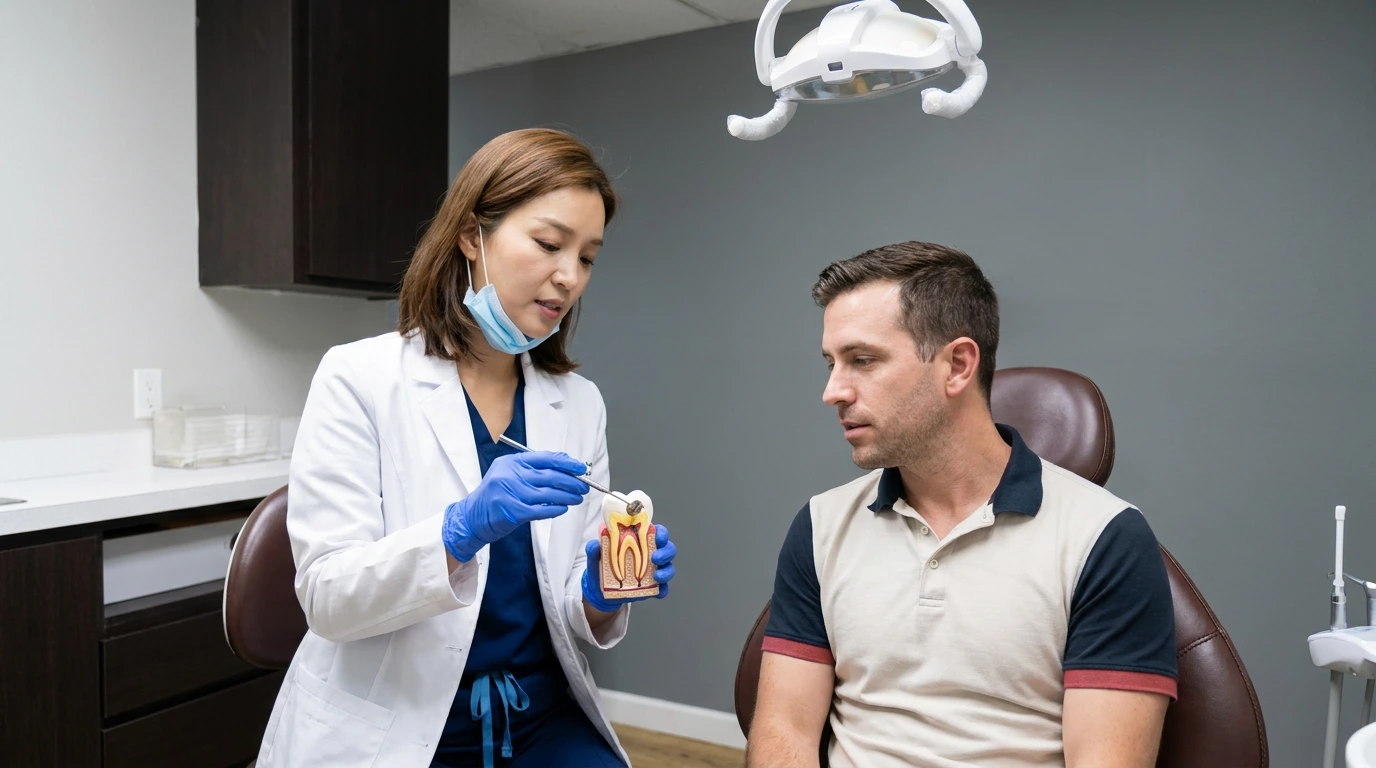
If your bite feels uneven after placement, contact our office for a quick adjustment. Dr. Diana Lee can adjust the surface to balance your bite and relieve uneven chewing pressure.
5. What is the difference between a crown and a veneer?
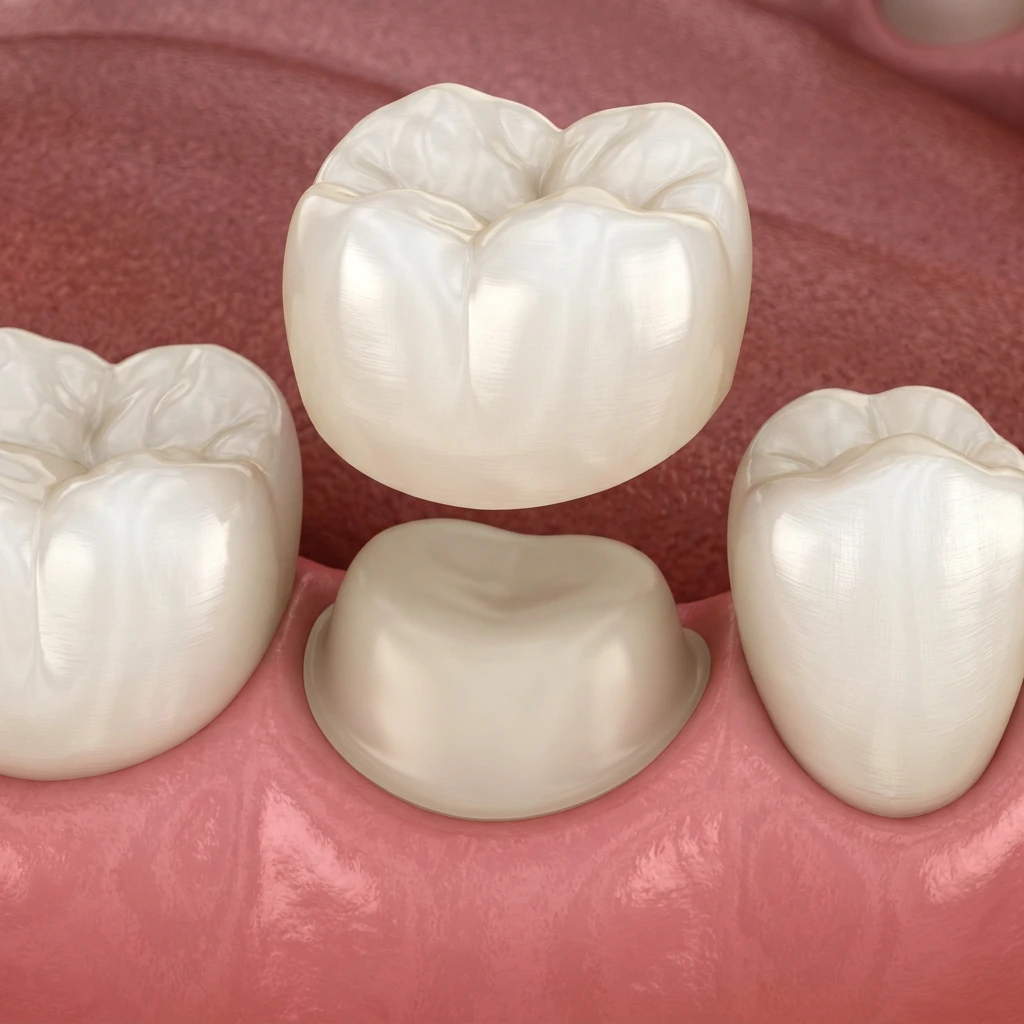
A crown encases the entire natural tooth to restore structural strength and function, whereas veneers cover only the front surface of front teeth primarily for cosmetic enhancement.
6. How do I clean around my new crown?
Brush your teeth twice daily with fluoride toothpaste and floss gently every day, paying special attention to the gumline where the restoration meets your natural tooth. Maintaining healthy gum tissue helps prevent plaque buildup and protects the supporting tooth structure.
7. What foods should I avoid with a permanent crown?
Once your final restoration is cemented, you can enjoy most foods normally, but you should avoid chewing on ice, hard candy, or non-food items. These habits can crack natural enamel and chip ceramic surfaces over time.
8. What should I do if my temporary crown falls off?
Call our Chino dental office promptly so it can be checked and recemented. Avoid trying to glue it back on yourself with household adhesives, and keep the exposed tooth clean while awaiting your visit.
9. Is a crown better than a large filling?
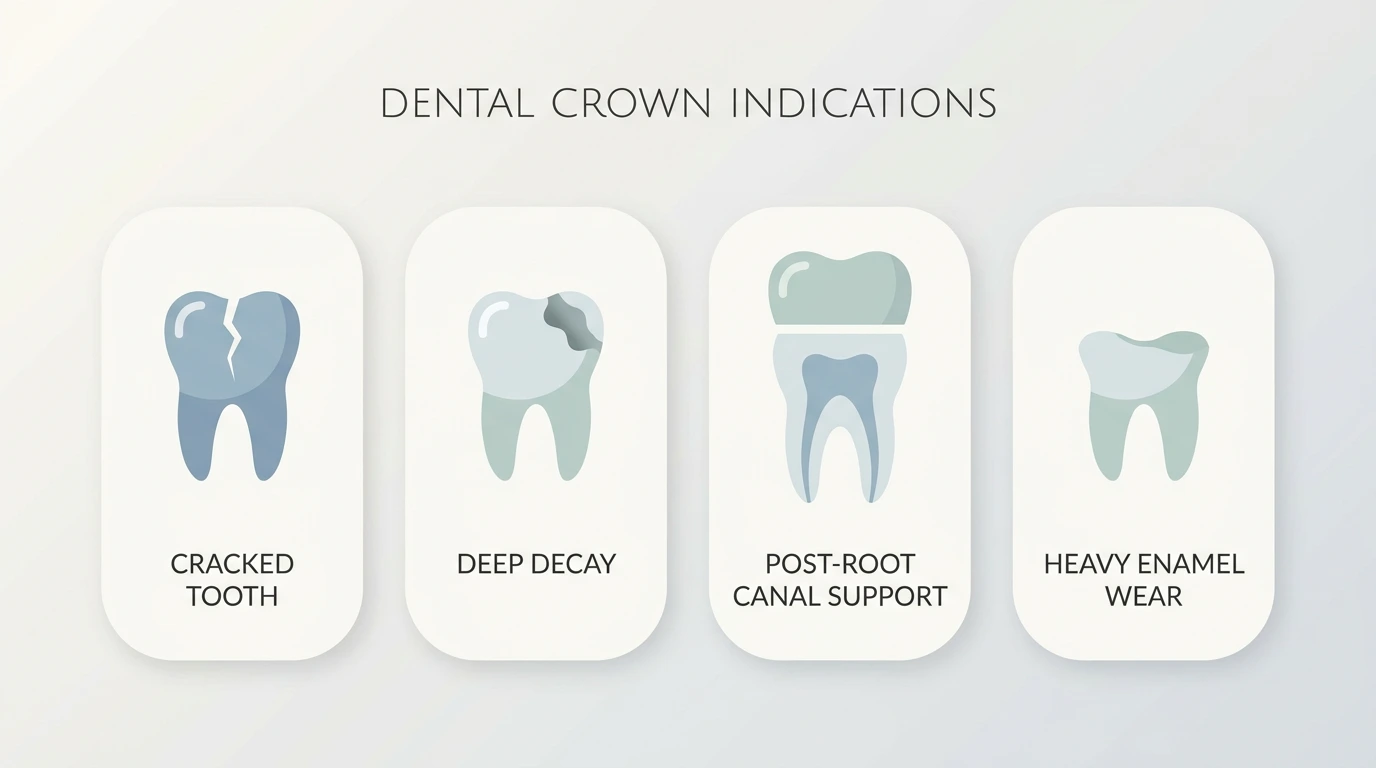
When a tooth has lost a large amount of its structure, a large filling can leave the remaining walls vulnerable to fracture. A crown covers the whole tooth and helps distribute biting forces, which can offer better protection against cracks.
10. Can dental crowns be used for children?
In pediatric dentistry, stainless steel crowns are sometimes used on baby molars with extensive decay to help hold space until adult teeth come in. Your dentist can explain whether this is an option for your child.